











Excavator Final Drive or Hydraulic Pump Failure? A Complete Troubleshooting Guide
September 2, 2026
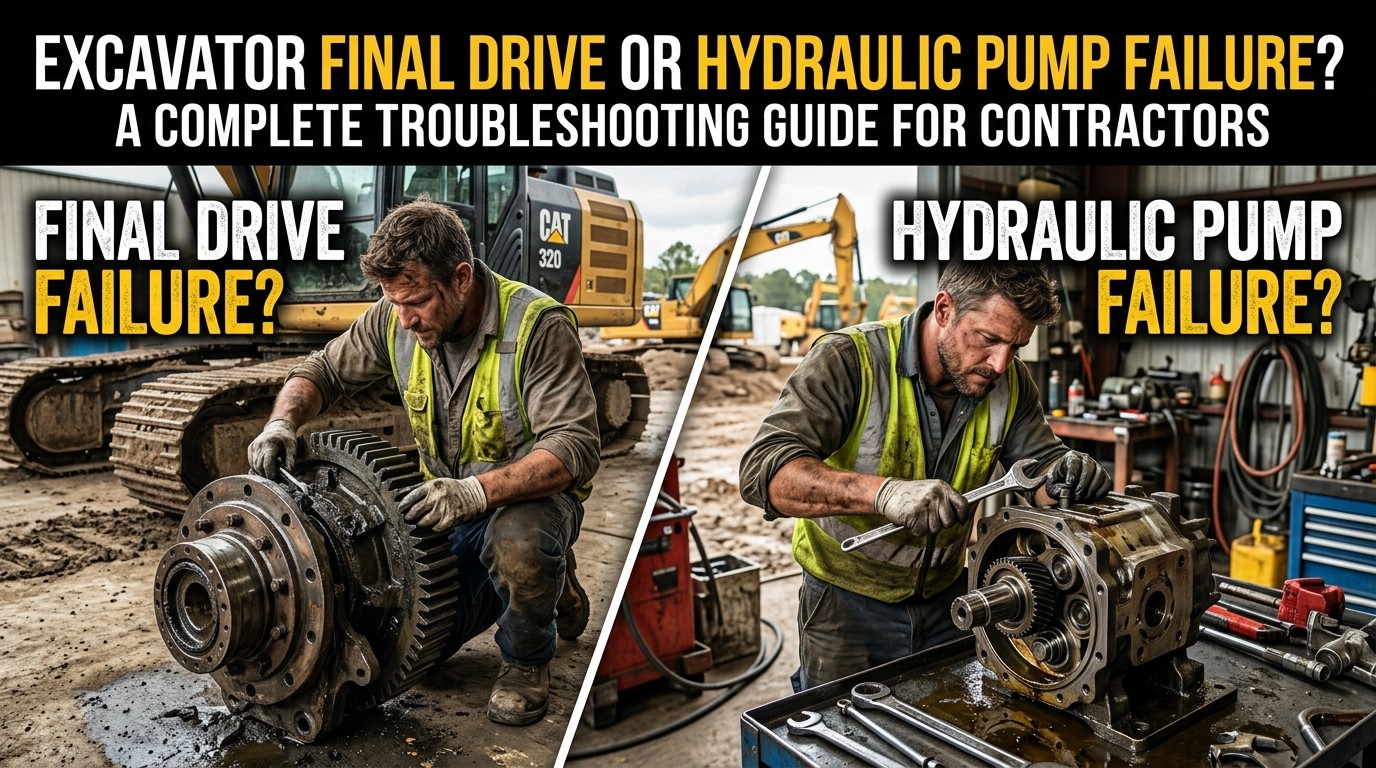
Excavator Final Drive or Hydraulic Pump Failure? A Complete Troubleshooting Guide for Contractors
The Two Most Expensive Breakdowns You'll Ever Face
Excavators don't break down at convenient times. They break down in the middle of a deadline, with trucks waiting to be loaded, on a Friday afternoon—while your client is watching.
And when they do break down, two components are responsible for more catastrophic failures than anything else: the final drive and the hydraulic pump.
A failing final drive turns your machine into a 10ton paperweight. A failed hydraulic pump makes every function. Boom, arm, bucket, swing, and travel motor slow, weak, or completely dead.
This guide will help you:
Identify the early warning signs of failure
Diagnose whether the problem is the final drive, the hydraulic pump, or something else entirely
Choose the right replacement part.
Avoid costly misdiagnosis and unnecessary replacements
Hydraulic Pump Failure – Symptoms, Causes & Solutions
The Symptoms:
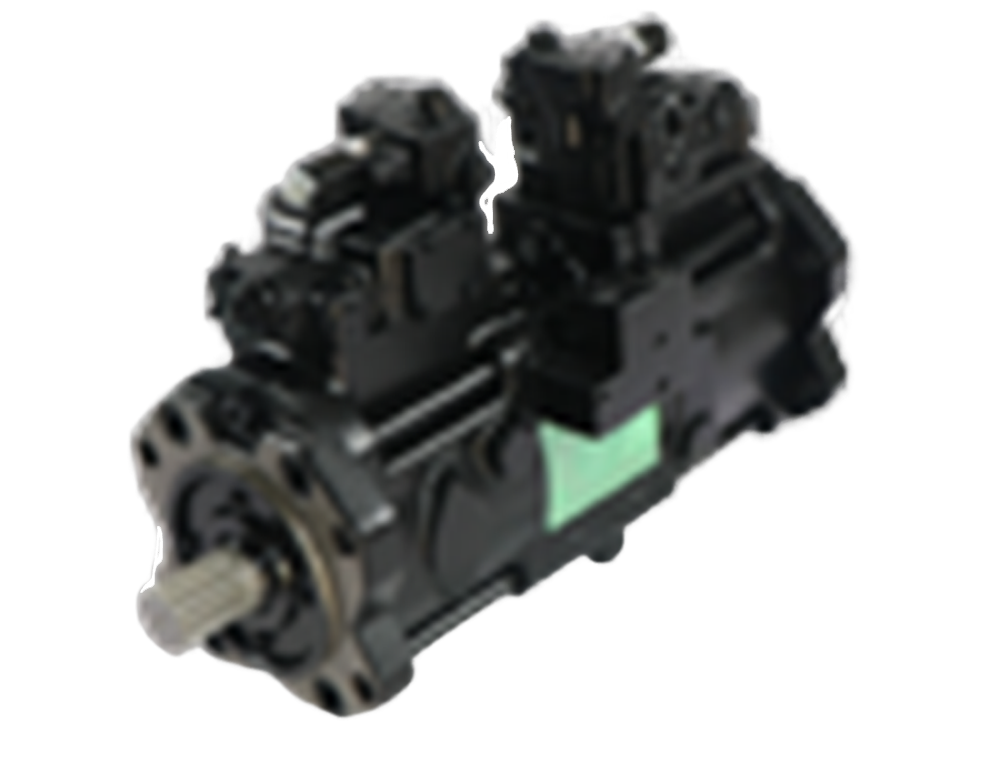
Your hydraulic pump is the heart of your excavator. When flow rates drop or pressure becomes erratic, productivity drops like a rock. Watch for these signs.
Slow or weak hydraulic response – boom, arm, or bucket feels sluggish
Excessive noise – whining, groaning, or vibration from the pump area
Leaking hydraulic fluid – visible around the pump housing
Overheating hydraulics – system runs hotter than normal
Fluctuating pressure – inconsistent performance across functions
Increased fuel consumption – engine working harder to achieve less
Why It Happens!!
Dirt, debris, or metal shavings in hydraulic fluid cause abrasion, scoring, and seal failure.
Excessive heat degrades oil and damages seals, bearings, and internal components.
Air in the system creates bubbles that collapse under pressure, pitting internal surfaces.
Running with contaminated or incorrect oil type.
Worn seals allow internal leakage and pressure loss.
Poor quality replacements fail faster and damage other components
The Fix:
A used OEM Hydraulic Pump
Restores full hydraulic power
Runs cooler and maintains proper flow rates
Works with your machine's ECU and control systems
Avoids catastrophic downstream failures
Costs a fraction of new OEM
A faulty pump doesn't just affect the pump itself—it can also damage cylinders, motors, and valves. Don't ignore the warning signs.
Final Drive Failure – Symptoms, Causes & Solutions
The Symptoms:
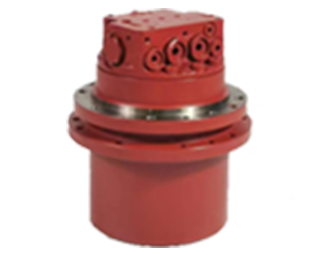
The final drive is the last piece in your excavator's powertrain puzzle. When it fails, your machine stops moving. Watch for these signs:
Weak or inconsistent track movement – machine pulls to one side
Unusual noises – grinding, clicking, whining, or crunching sounds
Leaks around the final drive housing – hydraulic fluid or gear oil
Overheating – casing too hot to touch
One track slower or dead while the other operates normally
Complete loss of travel – machine won't move at all
Why It Happens!
Hydraulic fluid Dirt and metal particles destroy seals, erode gear teeth, and wreck bearings.
No lubrication = metal on metal = catastrophic planetary gear failure.
Seals melt, oil breaks down, internal clearances go out of specification.
Rusted bearings, emulsified oil, pitted gear teeth.
Allow fluid loss and contamination entry.
Overloading, tracking at full speed with low oil, operating on steep terrain.
Cheap aftermarket drives.
Don't match hydraulic flow specs or handle torque correctly.
The Fix !!
A used OEM final drive:
Fits perfectly
Matches hydraulic flow specifications
Handles torque correctly
Lasts for thousands of hours
Costs a fraction of new OEM
Avoids the gamble of aftermarket rebuilds
The Diagnostic Guide – Don't Replace the Wrong Part
One of the biggest mistakes contractors make is replacing a final drive when the problem is actually in the hydraulic system or vice versa. Replacing a motor when the issue is a clogged swivel joint is a costly mistake.
Follow this systematic diagnostic process:
Step 1: Check Track Tension
Before opening the hydraulic system, look at the tracks. If one track is significantly looser than the other, it creates more rolling resistance—the machine will pull toward the loose side.
The Fix: Adjust the grease tensioner to manufacturer specifications.
Step 2: Swap the Case Drain Filters
If tension is fine, move to the hydraulics. Most final drives have a case drain line that returns excess oil to the tank. If internal components are wearing down, they generate fine metallic debris.
The Diagnostic: Inspect the case drain filters:
If you find "gold dust" or silver flakes → the internal rotating group of that final drive motor is failing
If one filter is clean and the other is clogged → you've found your culprit
Step 3: The Stall Test – Pump vs. Final Drive
Is the issue the final drive or the main hydraulic pump?
The Test: Drive the machine against an immovable object (like a solid rock or pile of dirt) and try to track forward.
The Result:
If both tracks stall out and the engine lugs down → your pump is likely delivering pressure correctly.
If one track spins while the other sits dead without making any noise → the internal seals of that travel motor are likely bypassed.
Step 4: Check the Swivel Joint (Center Joint)
The swivel joint allows hydraulic oil to flow from the fixed lower frame to the rotating upper house. If the internal seals leak, pressure intended for the left track might be "bleeding" into the right line.
If your machine tracks poorly in both forward and reverse on the same side, and your blade/ripper functions also seem sluggish → the swivel joint is a high probability suspect.
Step 5: Final Drive Gearbox vs. Hydraulic Motor
A final drive is two parts: a hydraulic motor (the power) and a planetary gearbox (the torque).
Listen: Grinding or crunching sound → planetary gears are likely shattered
Smell: Pull the oil plug on the gearbox side. If the oil smells burnt or looks like metallic soup → the gearbox has failed
Step 6: Identify Which Fluid is Leaking
This requires no tools—just identify the leaking fluid by viscosity:
⚠️ This distinction matters. A replacement motor installed into a contaminated gearbox or a gearbox rebuild without addressing the motor shaft seal that caused pressure ingress will fail again within hours of return to service.
Part 4: How to Choose the Right Replacement Part
To ensure you get the right part, you need three things from your machine:
Machine Model (e.g., CAT 320D, Komatsu PC200, Volvo EC210)
Machine Serial Number (found on the machine identification plate)
Existing Part Number (stamped on the part itself or in your service manual)
Part 5: Proactive Maintenance – Prevent the Breakdown Before It Happens
Most final drive and hydraulic pump failures are preventable. Here's how to extend the life of your components:
For Hydraulic Pumps
Change hydraulic filters on schedule
Use clean, correctspec hydraulic oil
Check fluid levels regularly
Look for leaks around the pump housing
Monitor operating temperature—overheating is a warning sign
For Final Drives
Replace gear oil at least once a year
Check gear oil levels every 100 working hours
Change hydraulic filters as recommended by your equipment manufacturer
Inspect regularly for noise, leaks, or slower movement—these often signal earlystage failure
Keep an eye on hydraulic hoses, seals, and Orings
If the casing is too hot to touch for more than 3 seconds, it's overheating
Don't Let a Breakdown Stop Your Project
Final drive and hydraulic pump failures are inevitable in heavy equipment—but they don't have to be catastrophic.
The key is early detection, correct diagnosis, and choosing the right replacement part.
When you need a replacement hydraulic pump, final drive, travel motor, or swing motor, you need the right part for your specific machine, OEM quality you can trust, fast delivery to minimize downtime, competitive pricing
Get a Quote Today
Don't wait until your machine is parked in the middle of a site with nowhere to go.
Send us your machine model, serial number, and part number – and we'll get back to you within 24 hours.